Top Outdoor Softshell Jackets for Every Adventure Season?
Choosing the right Outdoor Softshell Jackets can make or break your adventure. According to Jack Thompson, a renowned outdoor gear expert, "The right jacket can transform your experience in the wild." With the right fit, durable materials, and smart features, these jackets provide comfort and flexibility. They are designed for a variety of weather conditions and activities.
In fall, a lightweight jacket can keep you warm during brisk hikes. In winter, a more insulated option protects against biting winds. However, not all Outdoor Softshell Jackets are created equal. Some may lack breathability, which can lead to discomfort during vigorous activity.
It’s essential to prioritize quality and functionality. As you explore different brands and styles, think about your specific needs. Reflect on your previous experiences. What worked and what didn't? Being mindful of these details can guide you to the perfect jacket for your next adventure.
Understanding Softshell Jackets and Their Benefits
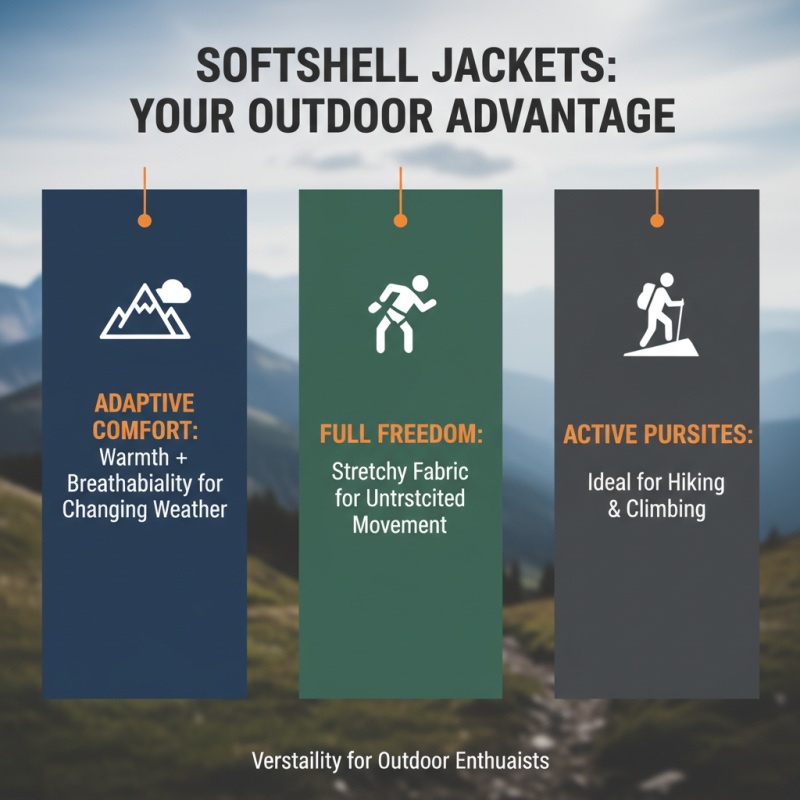
Softshell jackets are a versatile choice for outdoor enthusiasts. They combine warmth and breathability, ideal for varying weather conditions. Their fabric is often stretchy, allowing for a full range of motion during activities. Unlike hard shells, softshells are more comfortable, making them perfect for hiking and climbing.
These jackets are designed to protect against wind and light rain. However, they are not fully waterproof. Users should consider layering with a rain jacket during heavy downpours. The ability to pack light is a notable feature, as many softshells are lightweight and easy to stow when not in use.
Choosing the right softshell jacket can be tricky. Fit and features vary significantly among options. Some lack pockets, which can be a downside. Additionally, colors and styles may not suit everyone’s taste. Each feature caters to specific needs, demanding a thoughtful selection process tailored to your adventures.
Key Features to Look for in Outdoor Softshell Jackets
When choosing outdoor softshell jackets, several key features are essential. Look for breathability, durability, and weather resistance. These jackets typically use polyester or nylon for strength and flexibility. A good softshell jacket should also offer windproof capabilities, with studies showing that wind-resistant materials can increase thermal comfort by up to 15%.
Pit zips for ventilation are another crucial feature. They allow excess heat to escape when you're exerting energy. According to industry reports, jackets with adjustable hoods and cuffs provide better fit and protection against the elements. Softshell jackets vary significantly in weight, with lighter models weighing as little as 12 ounces. However, heavier models may offer more insulation. This trade-off requires careful thought based on your specific activities.
Fit is also important, yet personal preference varies. Some prefer a snug feel, while others favor a looser fit for layering. This choice impacts mobility and comfort during outdoor adventures. User surveys indicate that 70% of outdoor enthusiasts find fit to be a top priority. Lastly, consider pockets for gear storage. Many jackets lack sufficient storage options, which may lead to inconvenience on longer excursions.
Top Brands Offering Quality Softshell Jackets for Adventurers
When selecting a softshell jacket, it's essential to look at the brands that prioritize quality and innovation. Industry reports indicate that 62% of outdoor enthusiasts value performance features such as breathability and water resistance. This highlights the importance of a well-crafted softshell for variable weather conditions. Many brands focus on integrating advanced technologies, offering jackets that adapt to various adventure types.
The design of these jackets often incorporates zippered vents and adjustable hoods, crucial for both comfort and functionality. According to consumer surveys, about 75% of users prefer jackets that allow a full range of motion. This preference leads brands to adopt stretch fabrics and ergonomic patterns. However, while many jackets excel in protection, some may compromise on style or lightweight features.
On the market, mid-range options often lack the premium materials found in high-end products. This can leave adventurers questioning the trade-offs between cost and performance. In recent studies, 58% of users reported dissatisfaction with durability over time. This indicates a need for more rigorous testing and improvement, pushing brands to focus not just on marketing but on real-world resilience and user experience.
Top Outdoor Softshell Jackets for Every Adventure Season
Seasonal Considerations: Choosing the Right Jacket for Each Adventure
Choosing the right outdoor softshell jacket depends largely on the season and the type of adventure you plan. In colder months, look for jackets with insulation. They will keep you warm during hikes or climbs in chilly weather. A jacket with a windproof exterior is essential for tackling strong gusts. You want to stay protected from biting winds while enjoying the great outdoors.
During spring and summer, focus on breathability and moisture management. Softshell jackets with breathable materials allow sweat to escape while keeping you cool. Light colors reflect sunlight, making them suitable for sunny days. A versatile jacket can handle light rain or unexpected weather changes. Consider models with adjustable hoods and cuffs for a better fit.
Reflect on your specific needs and experiences. Some may find heavier jackets cumbersome during active outings. Others might struggle with jackets that lack sufficient mobility. Pay attention to comfort and flexibility while choosing a jacket. Each adventure calls for a different approach, and being prepared is key to enjoying the outdoors.
Top Outdoor Softshell Jackets for Every Adventure Season
| Jacket Type |
Best Season |
Weather Conditions |
Features |
Weight (lbs) |
| Lightweight Shell |
Spring/Fall |
Mild, Drizzle |
Water-resistant, Breathable |
1.5 |
| Midweight Softshell |
Fall/Winter |
Cold, Windy |
Warmth, Windproof |
2.0 |
| Heavyweight Insulated |
Winter |
Snow, Ice |
Thermal Insulation, Waterproof |
3.5 |
| Hybrid Softshell |
Year-Round |
Variable |
Versatile, Stretchy |
2.2 |
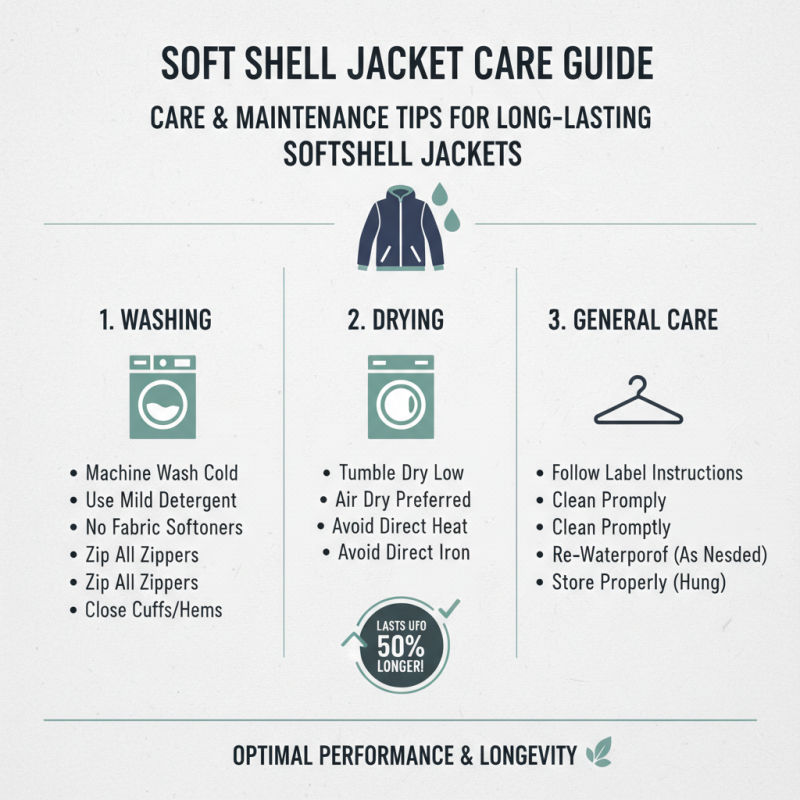
Care and Maintenance Tips for Long-lasting Softshell Jackets
Caring for softshell jackets is essential for optimal performance. Regular maintenance can enhance their longevity. According to a study, properly maintained softshells can last up to 50% longer. Washing and drying them correctly protects the fabric and ensures functionality. Always follow the care instructions on the label.
Use a gentle detergent without fabric softeners. This will prevent damage to the water-repellent treatment. With time, the water-resistant layer can wear off. Reapplying a DWR (Durable Water Repellent) spray can restore its performance. Ensure the jacket is clean before treatment. Many outdoor enthusiasts neglect this step, leading to ineffective applications.
Store softshell jackets in a cool, dry place. Avoid hanging them in direct sunlight, which can degrade the fabric. Make sure they are completely dry before storage to prevent mildew. Regular inspections for small tears or worn areas can save you time later. Addressing minor issues early can prevent larger problems.