Buying a Puffer Jacket for international markets is not as simple as choosing the thickest design. Climate, insulation, fit, logistics, and customer expectations all matter. A jacket that feels perfect in Stockholm may feel uncomfortable in Singapore. That difference can determine returns, reviews, and repeat orders.
Outdoor apparel designer and insulation specialist Stephen Canaday says, “Warmth starts with matching insulation to the wearer’s real conditions.” This practical view should guide every purchase. Buyers need to examine fill power, fill weight, shell fabric, stitching, hood design, cuff structure, and zipper quality. Down may provide excellent warmth with low weight, while synthetic insulation often performs better in damp weather. Neither option wins everywhere.
Small details matter. Check the size chart carefully. Measure the chest, sleeve, and hem. Ask suppliers for test reports, fiber information, care instructions, and clear product photos. Confirm whether the Puffer Jacket suits urban commuting, winter travel, outdoor work, or casual use. A glossy image cannot reveal cold spots around the seams.
This guide presents ten buying tips for global buyers. It considers performance, comfort, supplier communication, and long-term value. It also admits an uncomfortable truth: no single jacket fits every market. Even experienced buyers can overlook local humidity, layering habits, or delivery conditions. Review each decision twice. The warmest option may not be the most practical one.
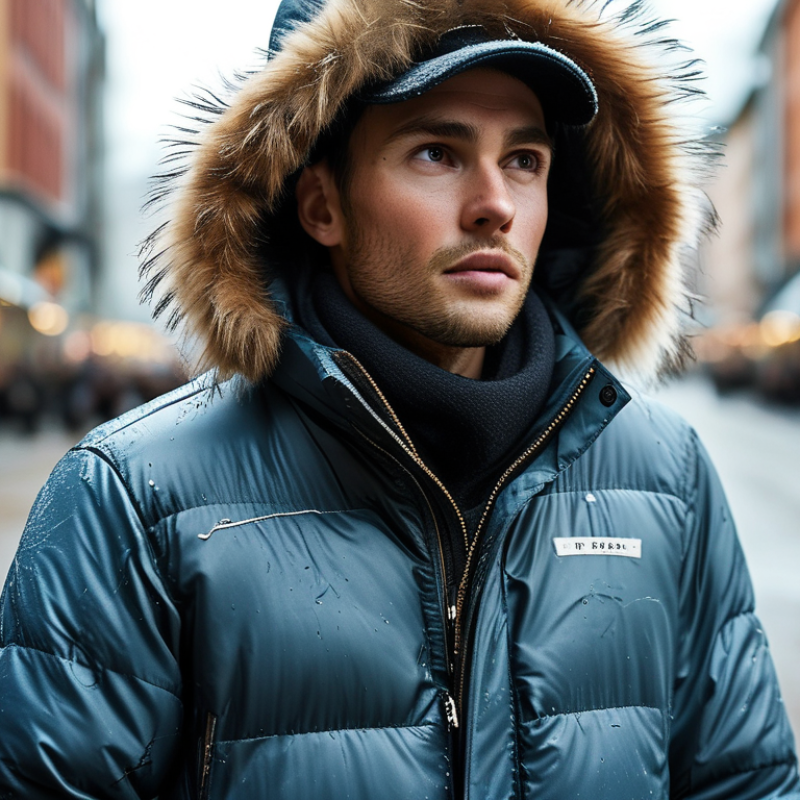
Assess your climate before comparing puffer jackets. A damp coastal winter feels colder than a dry inland winter at the same temperature. Check local wind, rain, humidity, and daily movement. Cold is personal. Someone waiting for buses needs more protection than someone driving between heated buildings. Look for a shell with dependable wind resistance and light water resistance. Heavy rain usually requires a separate waterproof layer.
Your use case should shape the jacket’s construction. For commuting, choose a moderate length, a secure hood, and pockets that hold gloves. For hiking, prioritize low weight, packability, adjustable cuffs, and breathable panels. For long outdoor work, a longer cut and stronger fabric may matter more than compact storage. Fit matters. Leave room for a base layer and thin sweater, but avoid large gaps around the neck and wrists. Test the zipper with gloves.
Your requirements should be written down before purchase. Note the expected temperature range, preferred insulation, weight limit, washing method, and budget. Down can provide excellent warmth, but synthetic insulation may perform more consistently in damp conditions. Check the filling information, stitching, seam quality, and care instructions from reliable sellers. I once chose a very light jacket for wet travel and underestimated drying time. That mistake still influences my buying decisions. Temperature claims also vary between manufacturers, so treat them as guidance, not certainty. Ask for measurable product details when information seems vague.

When comparing puffer jackets across markets, start with insulation type, not appearance. Down offers excellent warmth-to-weight performance because its clusters trap more air. Synthetic insulation handles damp conditions better and dries faster. However, synthetic fills can feel bulkier at similar warmth levels. I have noticed this during wet commutes. The jacket felt heavier than expected. Moisture was the reason.
Fill power measures loft, not total warmth. A 700-fill jacket may be warmer than an 800-fill jacket if it uses more insulation. Check fill weight, baffle design, hood coverage, cuffs, and hem protection. These details reduce heat loss. For humid coastal climates, synthetic or hybrid insulation may be more dependable. In dry, cold regions, high-fill-power down usually packs lighter. Ask suppliers for recognized testing information and actual fill weight. Labels alone can mislead buyers.
Warmth-to-weight ratio matters for hiking, cycling, and air travel. Compare the garment’s total weight with its insulation and body coverage. A very light jacket may have shorter hems or thinner pockets. I once chose the lightest sample and regretted it at a windy station. It packed beautifully. It did not block wind well. Fit also changes performance. A loose collar can leak heat, while tight layers compress insulation. Check sizing charts carefully, especially when buying internationally. Different measurement systems create avoidable mistakes.
| No. | Buying Tip | Key Dimension | Useful Benchmark | Warmth-to-Weight Guidance | What Global Buyers Should Verify |
|---|---|---|---|---|---|
| 1 | Match insulation to the climate | Insulation type and intended temperature range | Light transitional use: approximately 60–100 g/m² synthetic insulation or 550–650 fill-power down. Cold-weather use generally requires more insulation, better construction, or both. | A lighter jacket is not automatically warmer; total insulation mass, loft, wind resistance, and fit all matter. | Target climate, lowest expected temperature, wind exposure, activity level, and layering habits. |
| 2 | Compare down and synthetic insulation fairly | Moisture performance, compressibility, durability, and cost | Down usually offers superior warmth-to-weight and compressibility when dry. Synthetic insulation retains more insulating ability when damp and usually dries faster. | Down normally provides the highest warmth-to-weight ratio; synthetic is often more dependable in wet climates and for high-output use. | Fiber composition, recycled content claims, water-repellent treatment, drying instructions, and moisture-management requirements. |
| 3 | Read fill power together with fill weight | Down loft quality versus the actual amount of down used | Common down fill-power ranges are about 550–650, 650–750, and 750–900+ cubic inches per ounce. Higher fill power means more loft per unit weight, not automatically more total warmth. | A jacket with lower fill power can be warmer if it contains substantially more down and has better coverage. | Fill power, down fill weight in grams, down-to-feather ratio, and whether the test method is clearly stated. |
| 4 | Use synthetic insulation weight as a practical indicator | Insulation weight per square metre | Approximately 40–60 g/m² is commonly used for lightweight warmth, 80–120 g/m² for moderate warmth, and 150–200+ g/m² for heavier cold-weather applications. These ranges vary by construction. | More insulation generally improves warmth but increases weight, bulk, drying time, and shipping volume. | Insulation weight by body area, sleeve insulation, quilting losses, and whether the stated weight covers the whole garment or only the fabric. |
| 5 | Check baffle construction and cold spots | Stitch-through, box-baffle, or hybrid construction | Stitch-through designs are lighter and usually less bulky. Box baffles reduce compression at seams and can improve loft consistency in colder conditions. | Box-baffle construction may deliver better effective warmth but normally adds fabric, weight, labor, and cost. | Baffle height, seam placement, insulation migration, collar construction, and whether the quilting creates exposed cold lines. |
| 6 | Evaluate the shell fabric | Denier, weave, water resistance, breathability, and down leakage control | Lighter shell fabrics reduce garment weight but can be more vulnerable to abrasion and puncture. A durable water-repellent finish improves resistance to light precipitation but is not waterproofing. | A breathable, wind-resistant shell can improve practical warmth without adding much insulation weight. | Fabric composition, denier, hydrostatic-pressure rating if claimed, seam construction, coating durability, and care limitations. |
| 7 | Prioritize fit and coverage | Body length, ease, hem design, hood, cuffs, and collar | A close but non-restrictive fit limits air exchange while leaving enough room for the intended base and mid-layers. Longer hems and adjustable cuffs reduce heat loss. | Poor fit can reduce real-world warmth more than a small difference in fill power or insulation weight. | Garment measurements, size grading, sleeve length, hood adjustability, hem circumference, and regional sizing differences. |
| 8 | Compare total garment weight and packed volume | Insulation weight, finished garment weight, and compression size | Finished weight includes shell, lining, zippers, pockets, hood, trims, and insulation. Two jackets with similar fill power can have very different total weights. | For travel, compare warmth-related specifications against finished weight rather than judging by fill power alone. | Weight in a stated sample size, packed dimensions, storage method, compression restrictions, and carton volume for logistics planning. |
| 9 | Review performance claims and testing methods | Thermal rating, laboratory method, and test conditions | There is no universal temperature rating for every wearer. Thermal comfort depends on activity, base layers, wind, humidity, body size, and individual physiology. | Treat warmth ratings as comparative guidance unless the test method, mannequin conditions, and clothing system are disclosed. | Test standard, sample size, laboratory report, stated assumptions, and whether the rating refers to active use or stationary use. |
| 10 | Check sourcing, compliance, and care requirements | Traceability, labeling, chemical compliance, and aftercare | Labels should identify fiber content, country of origin, care instructions, size, and responsible importer information where required. Down and textile claims should be supported by documentation. | Care-resistant materials may preserve loft and warmth longer, reducing replacement frequency and lifecycle cost. | Destination-market labeling, restricted-substance requirements, wash testing, colorfastness, seam strength, warranty terms, and packing specifications. |
When buying a puffer jacket, examine the fabric before admiring its color. A tightly woven shell usually resists abrasion better. Rub it gently against a rough surface. It should not feel thin or papery. Hold the jacket toward light and inspect uneven areas. For cold regions, choose insulation with consistent loft across the shoulders, chest, and sleeves. Flat patches can create uncomfortable cold spots. Avoid relying only on the advertised temperature rating.
Construction details often reveal practical quality. Check whether the baffles hold insulation without large gaps. Narrow, even stitching helps prevent filling from shifting during movement. Pull the zipper slowly and test each snap. The zipper should not catch the fabric. Inspect cuff adjustments, hood cords, and pocket corners. These areas receive repeated stress. A neat appearance is useful, but strength matters more.
Weather resistance depends on more than a coated outer fabric. Look for water-repellent treatment, covered zippers, and sealed or carefully finished seams. For heavy rain, ask for tested waterproof ratings instead of trusting vague claims. Wind-resistant cuffs and a well-shaped collar also protect against exposure. Buyers in humid climates should confirm drying instructions, since damp insulation loses warmth. I once trusted a glossy shell that performed poorly in wet snow. It looked impressive. Performance was weaker. Test the jacket in realistic conditions when possible, and accept that no single design suits every climate.
For global buyers, a puffer jacket’s size label is only a starting point. EU, US, UK, and Asian sizing systems can differ significantly. Measure the chest, shoulder width, sleeve length, and back length in centimeters. Compare these figures with the seller’s international measurement chart, not with a familiar letter size.
A practical fitting check is simple. Wear a thin sweater and leave room for movement. The jacket should close without pulling across the chest. Sleeves should cover the wrist when your arms bend. The hem should not rise sharply when you sit. Insulation also affects fit, because thicker fill can reduce interior space. I once trusted a “regular fit” description and ignored the shoulder measurement. It looked acceptable standing still, but felt restrictive while driving.
Tip: Ask for finished garment measurements, not only body measurements. Confirm the measuring method, tolerance, and measurement unit. A two-centimeter difference can change comfort, especially around the shoulders.
Tip: Request a size chart showing chest, waist, sleeve, and jacket length. Check whether the chart uses centimeters or inches. Convert carefully; rounding may create errors.
Tip: Review customer measurements from similar regions, but treat them as evidence, not proof. Body proportions vary widely. If your measurements fall between sizes, compare the jacket’s intended layering space. Oversizing may improve movement, yet it can reduce thermal efficiency and create unwanted air gaps. Size charts are helpful, but they are not perfect.
10 Puffer Jacket Buying Tips for Global Buyers
Supplier reliability matters more than a polished catalog. Request business licenses, factory addresses, recent audit reports, and two buyer references. Check whether the factory controls filling, stitching, inspection, and packing. ISO 9001 can indicate a quality system, but it does not prove jacket performance. Ask for laboratory results covering down leakage, colorfastness, seam strength, and thermal insulation. For down products, traceability and recognized responsible-sourcing certifications deserve careful review. Certificates can expire. Verify them directly.
Pricing needs a complete cost sheet. Compare fabric weight, fill power, filling percentage, trims, packaging, inspection, and replacement allowances. A very low quote may hide weaker insulation or unstable workmanship. It is tempting to choose the cheapest offer. That decision often needs reconsideration. The International Trade Centre recommends comparing landed costs, not only factory prices. Include duties, insurance, testing, inland transport, and payment fees. Require a pre-production sample and a sealed production sample before approving bulk work.
Shipping terms can change the real price quickly. The UNCTAD Review of Maritime Transport reports that ships carry over 80% of global merchandise trade by volume. Confirm the Incoterm, loading port, transit estimate, document responsibility, and delay procedures in writing. Request carton dimensions and gross weight before booking space. The World Bank’s 2023 Logistics Performance Index highlights customs and shipment reliability as major supply-chain factors. Build a buffer into delivery dates. Weather, port congestion, and incomplete documents still defeat careful plans.