Best Twill Work Jacket for Global Buyers in 2026?
In 2026, the demand for a quality Twill Work Jacket is more significant than ever. As industries focus on durability and style, the Twill Work Jacket stands out. This versatile piece is not just a work essential; it represents craftsmanship and practicality that buyers seek globally.
The Twill Work Jacket offers a blend of comfort and functionality. Its sturdy fabric is designed to withstand tough conditions while providing ease of movement. Buyers are drawn to the various styles available, catering to different work environments. However, with so many options, choosing the right jacket can be overwhelming. It’s essential to consider specific needs and preferences.
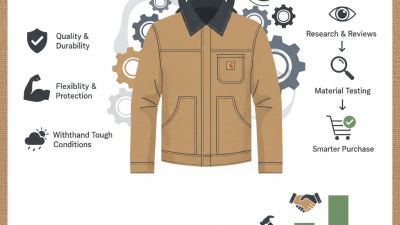
Navigating the world of Twill Work Jackets requires insight. Some brands promise durability, but not all deliver. A reflective approach is needed from buyers when evaluating features like pockets, fit, and material quality. Investing in a reliable Twill Work Jacket can enhance performance and comfort at work.
Best Twill Work Jacket Features for 2026 Global Market
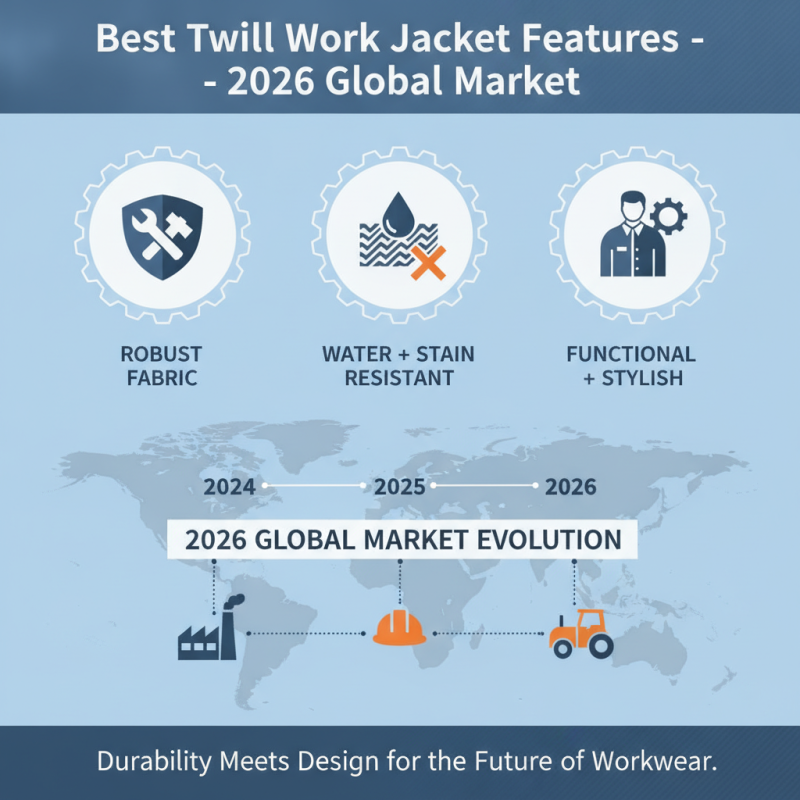
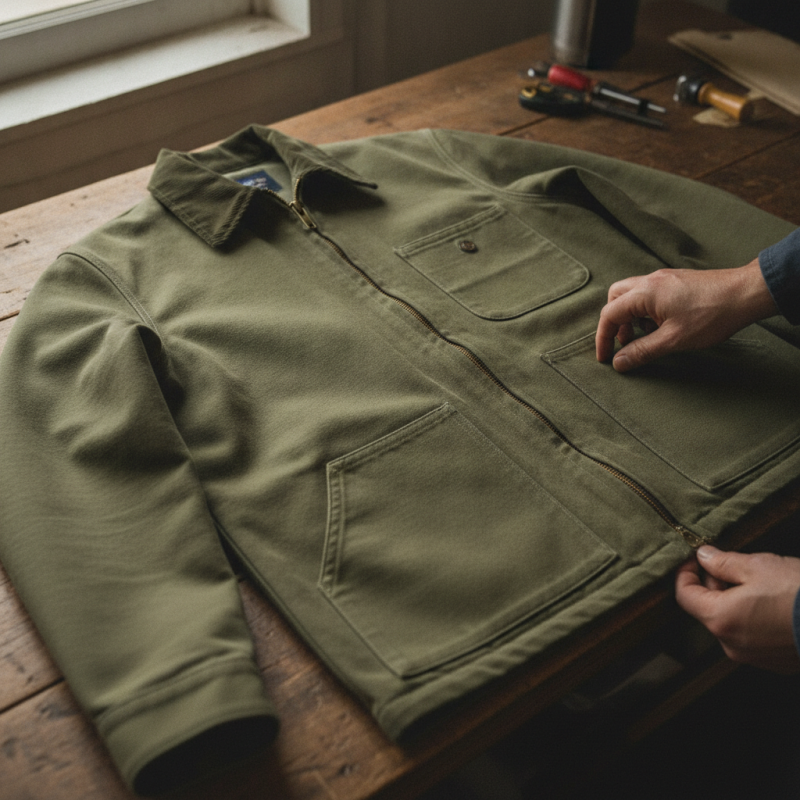
As the global market evolves, so do the expectations for twill work jackets. In 2026, buyers seek jackets that blend functionality and style. Key features include robust fabric that withstands daily wear. This durability is crucial for workers in various industries. Jackets that offer water and stain resistance are at the forefront of buyer preferences. These attributes protect workers in unpredictable environments.
Comfort is equally important. Look for jackets with breathable materials that allow for ease of movement. Ergonomic designs can enhance comfort during long hours. Additionally, pockets play a significant role. Deep, secure pockets are favored for carrying tools and personal items safely. Buyers also appreciate adjustable cuffs and hems, which allow for a customizable fit.
Sustainability is becoming a priority for many. Jackets constructed from eco-friendly materials appeal to conscious consumers. The manufacturing process should also align with ethical standards. However, not all brands prioritize these factors, and this inconsistency can create challenges in choosing the right jacket. As global buyers navigate these options, awareness of these details will lead to informed decisions.
Top Brands Offering Twill Work Jackets in 2026
As we approach 2026, the demand for twill work jackets continues to rise. This trend is fueled by the increasing need for durable and functional workwear across various industries. According to recent industry reports, the global workwear market is expected to surpass $50 billion by 2026, with twill fabric emerging as a preferred choice due to its balance of comfort and durability.
Leading brands are investing in innovative designs, focusing on safety features and functionality. This year, many manufacturers are exploring eco-friendly materials, which is a growing concern for environmentally conscious consumers. However, there still remain challenges regarding supply chain disruptions and rising costs. These factors can influence choices for global buyers while considering the best options available.
Tips for selecting a twill work jacket include assessing the weight of the fabric and its breathability. A well-fitted jacket enhances mobility while ensuring safety. Additionally, consider features like reinforced stitching and pockets for tools. Evaluate the feedback from the end-users to find reliable products that meet specific needs. Balancing style and utility is essential, but finding the perfect jacket often requires trial and error.
Best Twill Work Jacket for Global Buyers in 2026
| Category |
Material |
Weight (grams) |
Price (USD) |
Features |
| Heavy-Duty |
100% Cotton Twill |
850 |
79.99 |
Water-Resistant, Reinforced Stitching |
| Lightweight |
Polyester-Cotton Blend |
600 |
54.99 |
Breathable, Multiple Pockets |
| Insulated |
Cotton Twill with Insulation |
900 |
99.99 |
Warm, Durable, Machine Washable |
| Waterproof |
Nylon-Twill |
750 |
89.99 |
Windproof, Reflective Elements |
| Eco-Friendly |
Recycled Polyester Twill |
700 |
69.99 |
Sustainable Fabric, Stylish Design |
Sustainable Materials in Twill Work Jackets: A 2026 Perspective
As we move into 2026, the demand for sustainable materials in twill work jackets is growing. Many buyers are becoming more eco-conscious. They seek jackets that are not only durable but also environmentally friendly. This shift presents both challenges and opportunities for manufacturers.
Using sustainable materials often means choosing organic cotton or recycled polyester. These fabrics can reduce environmental impact. However, the transition can be complex. Sourcing materials sustainably may increase costs and complicate supply chains. It also requires manufacturers to invest in better processes and technologies.
Despite these challenges, the benefits are clear. Jackets made from sustainable materials can appeal to a wider audience. They promote a responsible image, attracting buyers who prioritize ethics. It's not just about functionality anymore; it’s also about values. Brands need to reflect on their practices. They must balance quality, pricing, and sustainability.
Sustainable Material Usage in Twill Work Jackets (2026)
Comparative Analysis of Prices for Twill Work Jackets Worldwide
As the demand for sturdy work attire grows,
twill work jackets stand out. They are favored for their durability and versatility.
In 2026, global buyers need to understand the price variations for these jackets across different regions.
Prices vary widely based on material quality, manufacturing processes, and regional economic conditions.
In North America, the average price might hover around $75.
European countries could see costs closer to €85, reflecting local manufacturing standards.
In Asia, fabric sourcing may reduce prices to approximately $50.
These differences can influence purchasing decisions.
Understanding the value of a twill work jacket is crucial in global markets.
Consider not just the price, but also the jacket's functionality for varied work environments.
The right choice hinges on more than aesthetics. The need for quality often comes with a higher cost,
raising questions about sustainability and ethical sourcing.
Buyers may need to weigh the benefits against their budgets.
Buying Tips for Global Consumers: Choosing the Right Twill Work Jacket
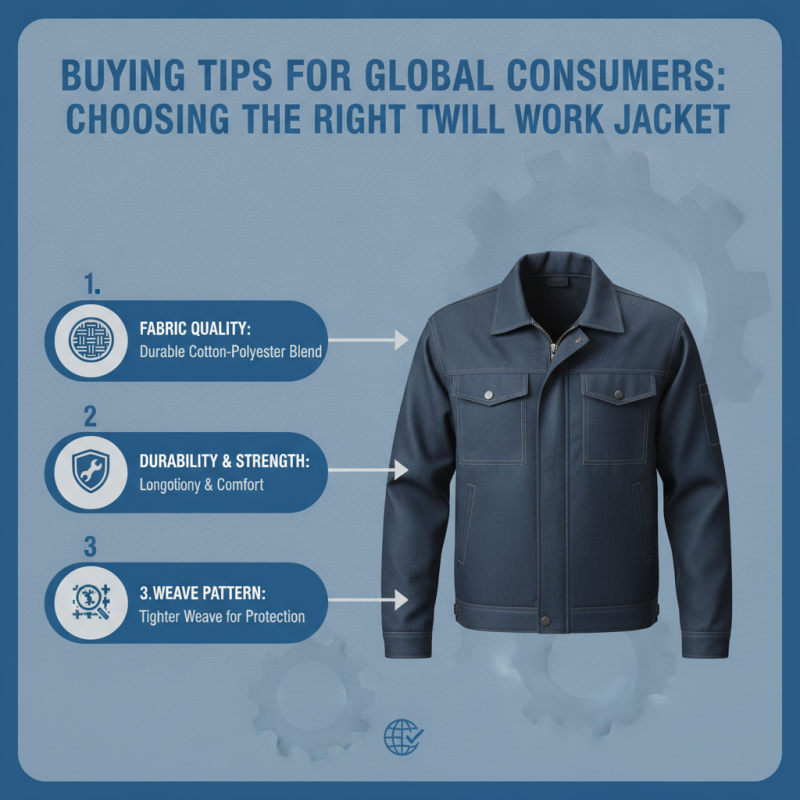
When selecting a twill work jacket, consider the fabric quality. Twill is known for its durability and strength. Look for a jacket made from a durable cotton-polyester blend. This ensures longevity and comfort during daily wear. The weave pattern also affects the jacket's resilience. A tighter weave can provide better protection against wear and tear.
Fit and functionality are critical. A well-fitted jacket should allow free movement. Look for features like multiple pockets and adjustable cuffs. These functional elements enhance utility. Reflective strips are valuable for safety, especially in low-light conditions. It’s essential to choose a jacket that fits these practical needs.
Lastly, consider the climate. Your work environment plays a significant role in your choice. If you work in colder climates, opt for insulated options. For warmer weather, breathable fabrics are essential. Don't forget to read reviews. User experiences can highlight both strengths and weaknesses. Knowing what others face can help in making informed choices.